MARGARITAS PODRIDAS ON METALES PESADOS, EMOTIONAL CATHARSIS AND THEIR DEFINING MOMENT AT VIVE LATINO
A CONVERSATION WITH CAROLINA ENRIQUEZ
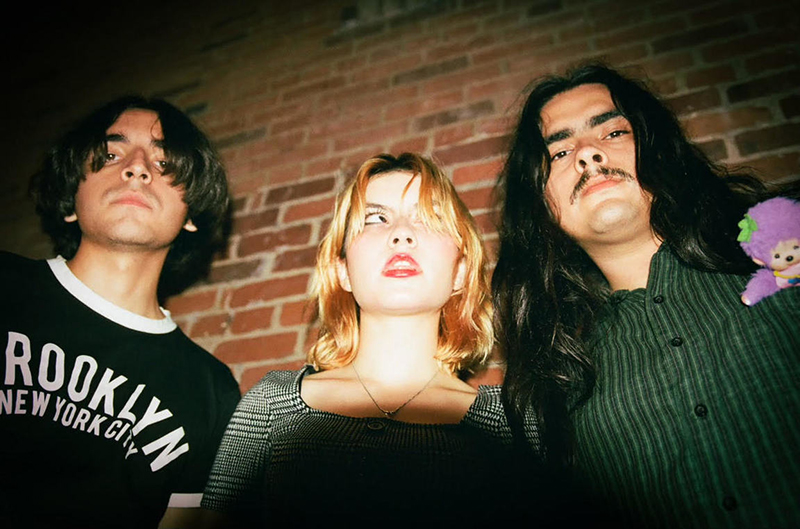
The excitement surrounding the Margaritas Podridas’ upcoming performance at the Vive Latino Festival is impossible to hide. For lead singer and bassist Carolina Enríquez, the moment feels both surreal and deeply earned. “I think we’re all very excited,” she says. “It’s something very important for us and for our city, Hermosillo.” Although they are not the first band from their hometown to play the iconic festival—last year their friends Sgt. Papers performed there—this opportunity feels like a milestone in their own journey. After nearly a decade together, “around eight to 10 years,” as she explains, reaching one of the most important festivals in Latin America feels like a defining achievement. “It’s really amazing that this opportunity has come our way, and hopefully they’ll keep inviting us,” she adds with a hopeful laugh.
For Enríquez, the significance of Vive Latino goes beyond the performance itself. It represents recognition within Mexico’s own music community. “I feel like it’s a form of recognition for the band, a way of legitimizing us,” she explains, before clarifying that they do not rely on external validation to define their worth.
Still, sharing the lineup with established Mexican acts such as La Maldita Vecindad and Enjambre, carries real weight. The band has already experienced major milestones—performing alongside international legends like The Smashing Pumpkins was a huge moment—but being embraced by their own country feels different. “For your own country to recognize you, for the local music community to acknowledge you, that’s a little more difficult,” she says. Being welcomed into those larger national spaces feels like an important step forward.
This pivotal moment coincides with the release of their third studio album, Metales Pesados, a record that captures both artistic growth and emotional release. The title, she reveals, began almost as a playful idea. “At first, we came up with the name because of how it sounds—like ‘heavy metal’ in Spanish,” she explains. While the album is not strictly metal, it contains darker and heavier passages that echo that sonic intensity. “It’s not really a metal record at all, but there are small moments where it sounds very dark,” she clarifies.
Over time, however, the title took on a deeper meaning. “Heavy metals are actually pollutants… toxic substances that can harm the body,” Enríquez reflects. That metaphor became central to the album’s concept. “The album is really about that—about purging our own toxicity as people.” For her, the record became a space to confront the emotional weight everyone carries—the good and the bad moments that shape who we are.
The creative process behind Metales Pesados was intertwined with personal challenges. Enríquez compares being in a band to being part of a family. “Being in a band is like being in a family… you spend so much time together,” she says. And with that closeness comes friction. “It’s not always beautiful. Sometimes there are problems, misunderstandings.” During the making of this third album, the band was going through difficult internal moments. For the frontwoman, channeling those emotions into music became essential. “For me personally, it was very therapeutic,” she admits. It gave her purpose at a time when she needed it most. “It was the healthiest way for me to move forward… to have a purpose so I wouldn’t give up.”
METALAS PESADOS ALBUM REVIEW
Sonically, the album represents something they had been striving toward since their early days. Reflecting on their 2018 debut, she notes, “We didn’t know much about production back then… everything was in English.” Now, years later, she feels they have finally captured their true sound. “I feel like this third album is the sound we wanted from the very beginning, but now it’s more personal, more our own, in Spanish, and more mature.” Rather than forcing the creative process, they allowed it to unfold naturally. “We were natural and genuine—we just let it flow.”
Among the 12 tracks, one song in particular holds special significance. “There’s a song called ‘Cabeza De Metal’ [Metal Head in English] that hasn’t been released yet,” Enríquez shares. “I feel like it has a little bit of everything—the concept and the sound of the whole album.” In many ways, that track encapsulates the spirit of Metales Pesados and ultimately inspired its title.
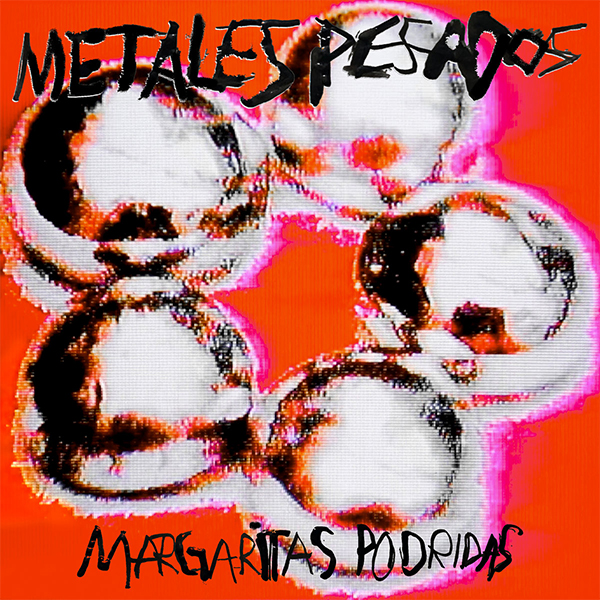
The album’s visual identity reinforces its themes. Enríquez wanted the cover to evoke the aesthetic of 1990s grunge and nu metal. “I wanted the cover to feel closer to the ’90s—like classic grunge and nu metal album art,” she explains. The central image—a flower made of melted metal—was created by visual artist Raúl Laurín. “It’s made from fused metals,” she says. The sculpture was later treated with VHS-style glitch effects before the lettering was added. The final result reflects the album’s core duality: something organic transformed into something metallic and heavy.
Like many long-standing bands, they have experienced lineup changes over the years. Enríquez speaks openly about the emotional toll. “I think it’s always a kind of mourning,” she says. Losing members or moving in different directions inevitably shifts the dynamic. Still, she views these transitions as part of growth. “It’s inevitable… we grow up and our ways of thinking change.” Rather than seeing these changes as setbacks, she considers them a natural evolution. As long as she and Rafael Armenta and the core members remain at the heart of the project, she believes the band’s essence will endure.
When asked what makes the current lineup special, Enríquez reflects thoughtfully. “I feel like we’re different,” she says. Coming from Hermosillo, they developed a sound that does not neatly align with what is typical in their city—or even across Mexico. She highlights her bandmate Rafa’s distinctive songwriting approach. “He has a very different way of composing—very methodical, almost robotic, but in a good way,” she explains. “It’s like a machine turning with gears.” Combined with the strength and colour of her own voice, the band has created something she believes is instantly recognizable. “You can immediately tell when it’s a Margaritas Podridas song,” she says.
Enríquez is careful about being boxed into specific genres. While influences like Nirvana have been present from the beginning, she prefers listeners to connect with the band’s sound on its own terms. “I think what can kill a band’s unique sound is trying to replicate something that already exists,” she explains. Although Metales Pesados carries elements of grunge and nu metal, it also incorporates unexpected influences, including contemporary U.S. bands like Snõõper. “I feel like it has a bit of everything,” she says enthusiastically. “I’m really excited for people to hear it, and I hope they like it.”
As they prepare to step onto the Vive Latino stage, the band carries not only a new album but nearly a decade of lived experience. For Enríquez, this chapter is about resilience, growth, and authenticity. Through Metales Pesados, they have transformed personal and collective challenges into art—turning toxicity into something loud, vulnerable, and undeniably their own.
Artist Links



SPILL FEATURE: A REBIRTH THROUGH VINYL – A CONVERSATION WITH YOUNG MEDICINE

SPILL FEATURE: A CROWN MADE OF TEETH, NOT GOLD – A CONVERSATION WITH JACK UNDERKOFLER OF DEAD POET SOCIETY

SPILL FEATURE: OLD SCARS, NEW STORIES – A CONVERSATION WITH MATT GOOD OF FROM FIRST TO LAST

SPILL FEATURE: LOTS OF PEOPLE WANT TO BE A FIREMAN OR A SPACEMAN. I WANTED TO BE A POP STAR. – A CONVERSATION WITH JARVIS COCKER OF PULP