HASTE THE DAY
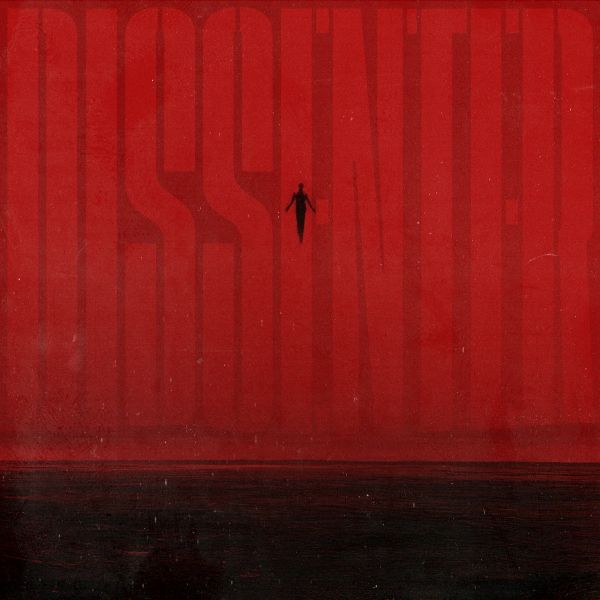
DISSENTER
SOLID STATE RECORDS

There are two different kinds of comeback albums. There are albums that return a band into the world, and there are albums where that return feels more internal than external. Coming into Haste the Day’s new record, Dissenter, this record feels more like the latter – a record forged in tension between who they once were and what they are no longer pretending to be. One might consider this a spiritual molting, or a soul stepping out of old skins, and with Dissenter, one would be correct. After 11 years of silence, this is a shedding of inherited certainties, where, from the rifts of the past, belief fractures and rekindles a spark that is something more honest. Dissenter isn’t your run-of-the-mill comeback album; it’s a distorted, dark confession inked in blood.
From the first moment, Dissenter feels like a howl from the faultline. Its cinematic intro feels like something rising from the depths of uncertainty, where one door is closing, and another is opening into something more ominous and tenebrous, with “Shallows,” “Grave,” and “Burn.” The guitars don’t just feel like reignition; they carve through the darkness, while the drums serve as extra armour to battle through it. Every scream lands like a truth of someone coming to terms with truths that have been hidden away for years but nonetheless needs to be confronted with full force.
These opening moments come from a place of urgency and panic from a band that feels and knows what returning means. It’s confronting ghosts they left behind. There is a weight within the melodic areas of these tracks and also in the riffs, and not just for the sake of being musically heavy. This is a kind of heaviness that is buried in memory, the consequences of choices made, and the echoes of a life outgrown, yet it still lingers deep within the bones. What is beautiful about the melodies in these tracks is the chaos that is still felt within them. It’s coming from a place of one reaching for something steady, but never fully reaching it, and in many ways, it feels like that is the point.

SPILL FEATURE: FAITH, FRACTURE AND THE SPACE BETWEEN – A CONVERSATION WITH DAVE KRYSL OF HASTE THE DAY
“Liminal,” “Gnasher,” and “Heretic” continue to strengthen this album’s lyrical landscape, where faith is at a crossroads between ruin and rebirth. With “Liminal” and its quiet devastation within its instrumental energies, to realizing that the structures one once built for themselves have no holding power in tracks like “Gnasher” and “Heretic,” it’s a powerful part of the album that keeps the listener within this perimeter of nostalgia, but in a way only touches the surface of it. One recognizes the shape of it all, but not the feeling; it’s distant and almost cold.
“Escape,” “Adrift,” and “Teeth” propel this frigid separation forward, where the pain deepens and intensifies. Going into “Escape” and “Adrift,” there is an aching loneliness not just from letting go of past beliefs, but from stepping out of a period of familiarity. Something that once felt like oxygen now feels mangled and unrecognizable. Yet “Teeth” brings about something akin to choked-up relief, as if someone is clawing their way out of such struggles, and what emerges is a strange, trembling feeling of freedom in choosing truth over belonging. This part of the album is not a band raging against its past; they mourn it. Like a coloured glass, they hold those memories up to the light and watch the dust fall away. While this separation is painful, it isn’t loud or trying to prove a point. It’s a separation that is weary, intimate, and necessary, as the last track “Oblivion” beautifully points out.
What makes Dissenter so powerful is the message within its aggressive, grief-stricken, and cinematic textures. It’s an album that breaks through nostalgia, but only to see what lies beyond it. It’s an album that wants to burn away the ashes of the past, but only to cleanse itself for the future. There is this moment within the album, or rather tied into the entire record, where Haste the Day is asking themselves and us,
What if the only way to stay true to yourself is to walk away from it?
It’s a poignant and evocative question that is the album’s pulse. And as every breakdown breaks through illusions and every melodic passage dusts off parts of buried truths, Dissenter becomes two meanings. To “dissent” is to close old wounds. It is to lose a version of oneself. However, it also means finally breathing and “enter” into another space of healing. They are not trying to reclaim the past nor appease expectations; it’s not about being a band people once remembered. It’s about choosing the truth, even when it hurts. This is a band and an album that is showing themselves as they are—scarred, searching, and unafraid to name the things that put them there. And in doing so, Dissenter becomes the band’s most emotionally human work of their careers.
Artist Links


SPILL ALBUM REVIEW: HASTE THE DAY – DISSENTER
Samantha Andujar


SPILL ALBUM REVIEW: EXPLODING FLOWERS – ALPHABET WINDOW
SPILL ALBUM REVIEW: ELLA THOMPSON – TRIUMPH AND SADNESS

SPILL ALBUM REVIEW: FONTAINES D.C. – DOPAMINE CHAMBER

SPILL ALBUM REVIEW: LEVELLERS – LEVELLING THE LAND (35th ANNIVERSARY EDITION)