A QUARTER CENTURY MUSICAL MEMORIAL
IN MEMORIAM OF MUSICIANS LOST IN 2025
Bluntly, 2025 was a hell of a year. The world finished its first quarter of the Millennium and forgetting ongoing international conflicts, constant economic struggles, and a certain local World Series loss, it was a year that saw the popular music lose a lot of talent. As the year draws to a close, it’s proper that music lovers remember those talents that left us in 2025…
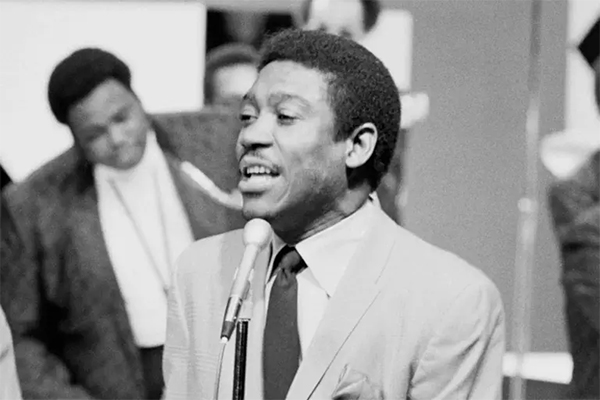
Sam Moore — The other half of the Stax Records most soulful dual Sam and Dave departed in January. A gospel talent, Sam Moore with the predeceased Dave Prater brought that raw emotion to everlasting hits “Soul Man”, “Hold On, I’m Coming,” and “Ease Me”. (Don Paulsen/Michael Ochs Archives, Getty Images)
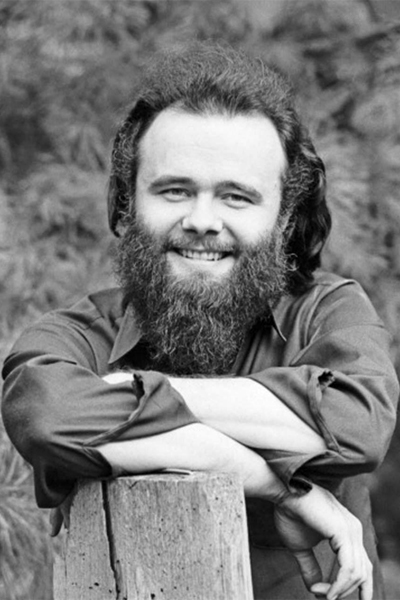
Garth Hudson — There are not too many authentic geniuses in music. But Southwestern Ontario’s own keyboardist-saxophonist-and-instrument-experimenter of The Band was the exception. The son of a son of musicians that received a ton of instruction, he was the glue behind Robertson, Danko, Manual, and Helm, and made them shine with musical colours he added in such classics as “Up on Cripple Creek”, “Chest Fever”, and “Life is a Carnival”. (David Gahr/Getty Images)
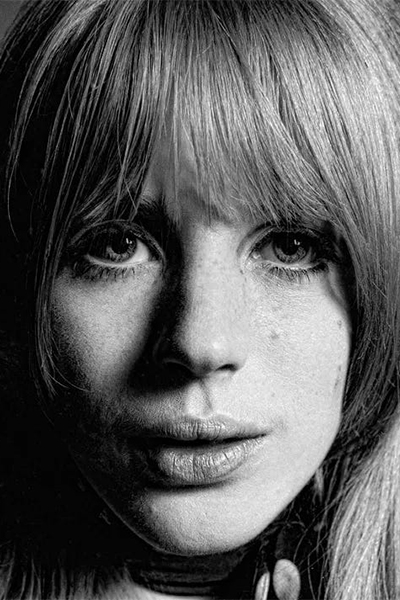
Marianne Faithfull — Sure she was producer-come-impresario Andrew Loog Oldham’s Swinging London discovery and the girlfriend that Mick Jagger left behind, later dealing with her own addiction and health issues. But she came back time and again with a voice that screamed urgency, including the Broken English album and even on Metallica’s late nineties hit “The Memory Remains”. Need more proof of her greatness? Get your Sticky Fingers album and put on “Sister Morphine”—she cowrote it with Jagger and Richards. (Clive Arrowsmith/Camera Press/Redux)
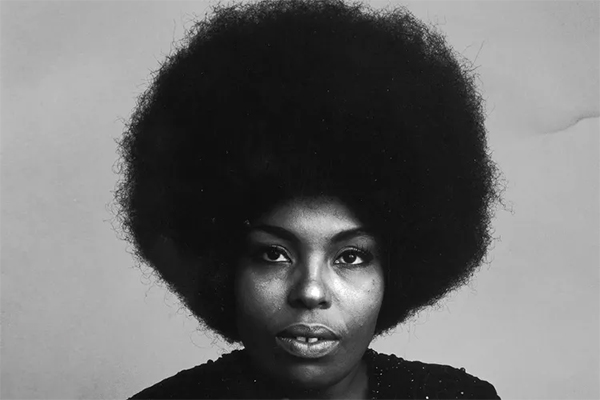
Roberta Flack — A soulful voice for the ages. Whether easing you with the melody of “Killing Me Softly”, pulling you into the romantic scenes of Clint Eastwood’s Play Misty for Me with “The First Time I Ever Saw Your Face”, or seducing your ears with any given tune she collaborated on with Donny Hathaway, Ms. Flack was sensational track-upon-track. (Jack Robinson/Hulton Archive/Getty)
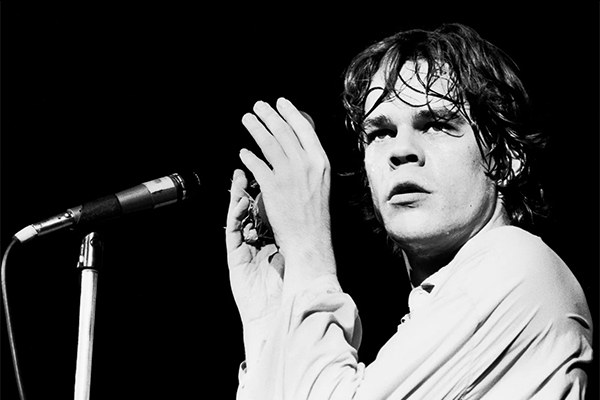
David Johansen — If he was singing about looking for a kiss or celebrating trash via distorted, three chord toe tappers, you listened. In the seventies, Johansen and his New York Dolls took original Little Richard-esque rock and roll, dirtied it up Big Apple-style, and stayed true their own adage of “Don’t bore us/Get to the chorus”. As well, that was him to as the great mad capped cab driver/Ghost of Christmas past in 1988’s Scrooged too. (Gary Gershoff/Getty Images)
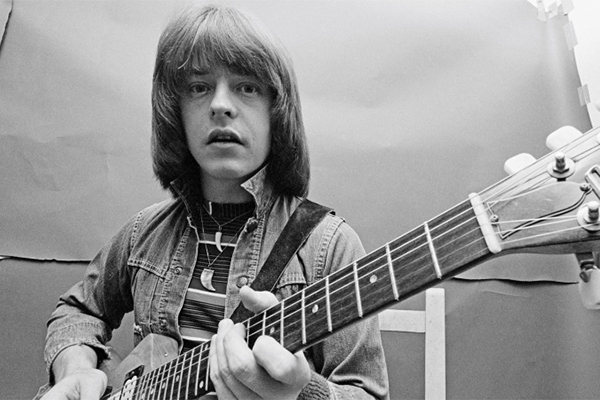
Rick Derringer — For the garage rockers, “Hang On, Sloppy” by the McCoys was on the jukebox. For the hard rockers, “Rock and Roll, Hoochie Koo” was on the eight-rack stereo. He played on all those and more. The former Richard Zehringer fretted a mean axe and lent his talent to so many others, including Cyndi Lauper, Edgar and Johnny Winter, and even Weird Al Yankovic and the World Wrestling Federation. (Fin Costello/Redferns)
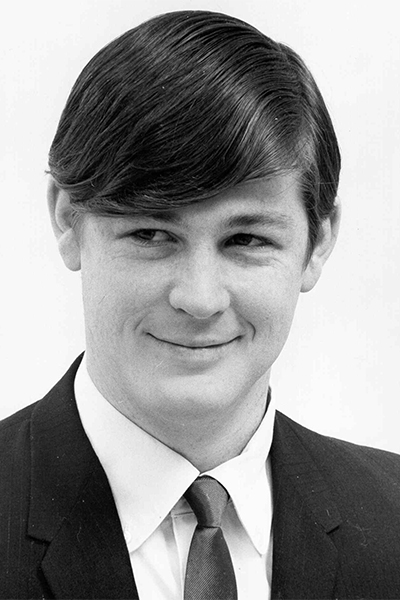
Brian Wilson — He didn’t surf but he wrote brilliant radio hits about it. He was deaf in one ear, but he created sonic, multilayered pop landscapes. He suffered but bounced back time and again to write, record, produce, and be the name Beach Boy that brought joy to so many. Brian Wilson could harmonize in three minutes with “Fun, Fun, Fun” and lay out his heart in “God Only Knows”. Such a talent and career. (Michael Ochs Archives/Getty)
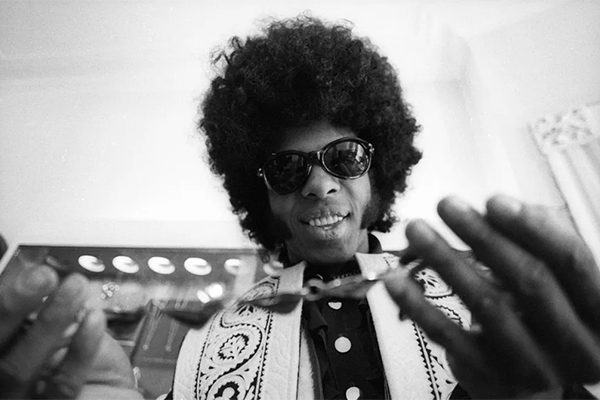
Sly Stone — The Bach of rhythm? The inventor of funk? The rock-and-soul maestro? All earned titles. Born Sylvester Stewart and known first as a San Francisco disc jockey, Sly Stone took soul music, created his own multi-gender and multi-race band in the Family Stone, and made people move. “Dance to the Music”, “Everyday People”, “Family Affair”, and “Thank You (Falettinme Be Mice Elf Agin)” were smash singles, and he literally took the audience higher at the Woodstock Festival. Though reclusive, he was a giant of music in all its forms and combinations. (Michael Ochs Archives/Getty Images)
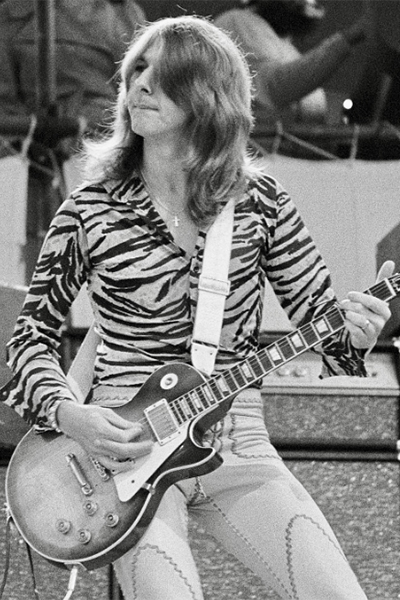
Mick Ralphs — Britain produced so many great, blues-influenced guitar players in the 1960s and 1970s. If you liked your rock good, greasy, and with swinging I-IV-V changes, Ralphs was one of your go-to’s. First in Mott the Hoople, he later joined Bad Company, a supergroup that were worth all the hype. That’s his songwriting on “Can’t Get Enough of Your Love” and him using an odd yet effective open C tuned guitar. (Marty Temme)
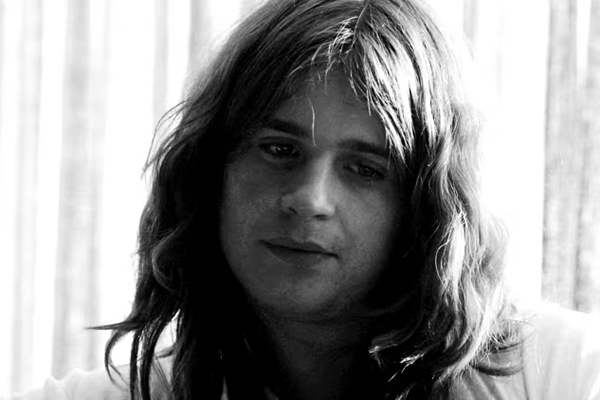
John “Ozzy” Osbourne — Scenario: you’re in Birmingham in 1968 and meet an odd, convicted thief and slaughterhouse worker that has dyslexia, comes from poverty, and carries a Vox PA with the intention of becoming a singer. Oh, he likes to drink, do drugs, and read black magic books. A recipe for success, right? Well, it certainly came to be and then some. What can be said about this lovable yet talented character that shocked parents, got arrested several times, nearly died even more times, and battled addiction? A great resume for sure: Black Sabbath, the Blizzard of Ozz, radio standards like “Paranoid”, “Crazy Train”, and “No More Tears”, some great nurturing of talents like Randy Rhoads and Van Halen, not to mention forerunning reality television. The Oz—he fought hard always and rocked even more. (Michael Putland/Getty Images)
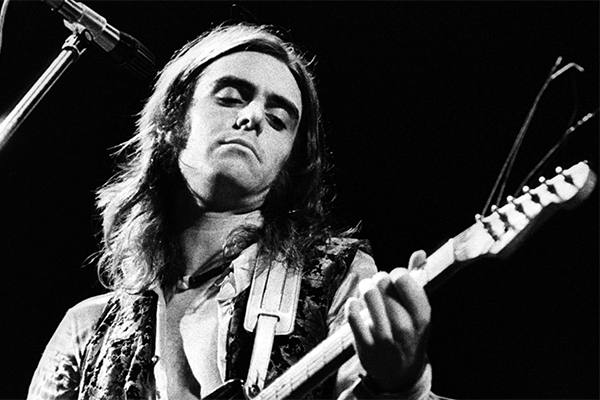
Terry Reid — “What? This guy turned down Jimmy Page sing in Led Zeppelin? Great move, genius.” It’s true that the late Mr. Reid turned down a what came to be a very big singing gig, but that did not mean he was not popular or without talent. He supported Fleetwood Mac, hosted classic Brazilian musicians like Gilberto Gil, was adored by Aretha Franklin, and sang on Aerosmith’s Joe Perry’s solo records. Did you like “Seed of Memory” or “Brave Awakening” on Rob Zombie’s The Devil’s Rejects soundtrack? That was him. (Ian Dickson/Redferns)
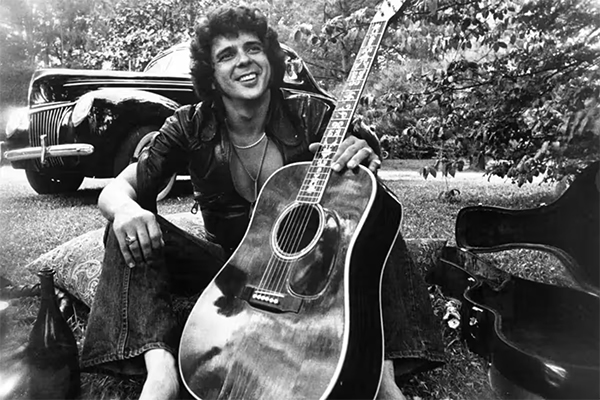
Bobby Whitlock — It’s impossible to know why Memphis, Tennessee yielded so much good music. It goes without saying that the late Mr. Whitlock was part of that yield. An early associate of the Stax Records roster, Whitlock went out on his own, first with Delaney and Bonnie Brammlett, then with Mr. Clapton in Derek and the Dominoes. If you’ve ever seen the episode of them doing “It’s Too Late [She’s Gone]” on The Johnny Cash show, you know Mr. Whitlock could play and sing with fire. Listening to the records, you knew he could write—aside from being a great song, there ever a more apt title than “Why Does Love Got to be so Sad?”, period. (Michael Ochs Archives/Getty Images)
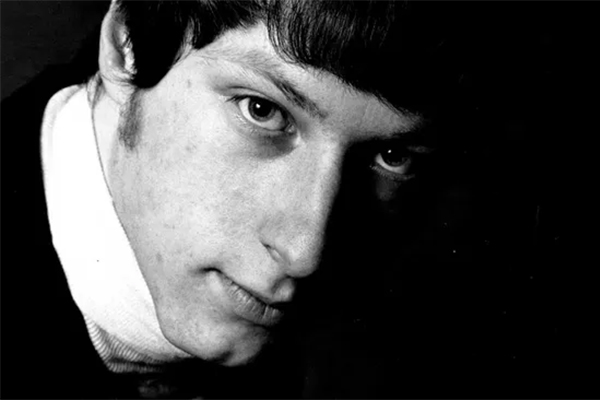
Chris Dreja — He was in the background of the Yardbirds and dutifully differed to bass once Jimmy Page assumed full guitar duties. Fine. He could keep time on either instrument. Listen to “Steeled Blues” or “Train Kept a’Rollin’” to be sure. When the Yardbirds formally morphed to Led Zeppelin, he pursued a lucrative personal venture in photography. Get out your copy of the first Zeppelin album and flip it over. He snapped the four of them in glorious black-and-white. Mr. Dreja was part of his era creatively in more ways than one. (Michael Ochs Archives/Getty Images)
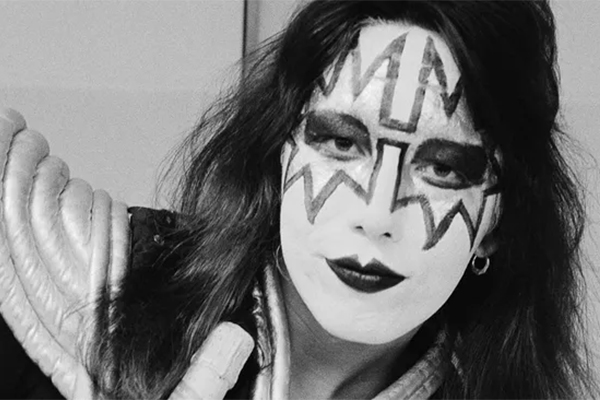
Paul “Ace” Frehley — We lost our spaceman this year. How many fans ogled the smoking, three pick-up Gibson Les Paul he soloed on that billowed smoke? Millions. How many modern guitar heroes, including Cantrell, Hammett, and Cuomo, saw that image of him holding his guitar in the oddest position on the jacket of KISS’s Alive! and decided their life’s destiny? So many. He had his ups and downs personally, but his devotion to his instrument and being the Space Ace showman of make-up-and-Marshall-stack rock was unbounded and everlasting. (Michael Putland/Getty Images)
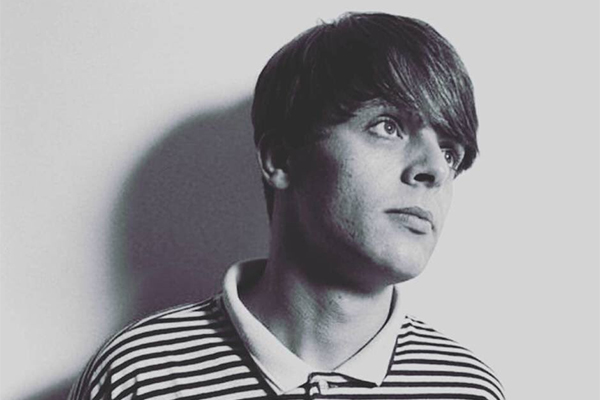
Gary “Mani” Mounfeld — “Mani was the last piece of the [Stone Roses] jigsaw…he was totally infectious…infected with everything,” The Happy Mondays’ Shaun Ryder once declared. Absolutely right. If any Manchester band was going to compete with the city’s electronic music scene of the 1980s, they needed to be hard but have great rhythm too. The late Mani’s bass playing was that ticket and never bettered during the Brit Pop era of the 1990s. A real Mancunian with a love of football, he gave several documentary humorous rants about the Stone Roses’ various battles with management and success.
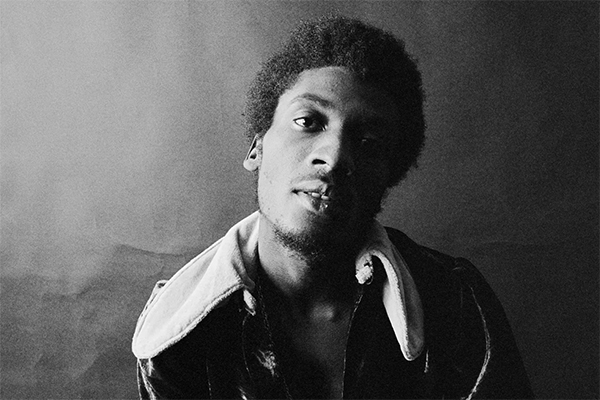
Jimmy Cliff — Bob Marley gets all the reggae reverence by most. Fine, but the late Jimmy Cliff needs his own now. When you spun your copy of The Harder They Come Soundtrack or Elvis Costello’s “Seven Day Weekend”, you heard a voice that had pain, angst, but also humour and always with a beat behind it that was unparallelled. Was “Many Rivers to Cross” a personal or political song? Didn’t matter. It, like Cliff’s catalogue, was unique and defied categorization. (Shepard Sherbell/CORBIS SABA/Getty Images)
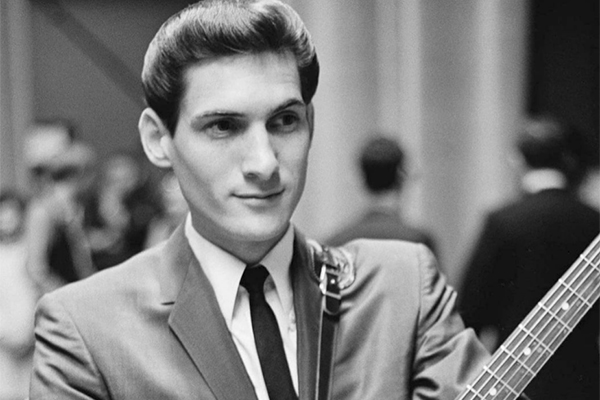
Steve Cropper — You might have first seen him as “The Colonel” in The Blues Brothers. Or you might have seen him backing Arthur Conley, Otis Redding, and Sam and Dave. But if you just got a chance to listen to any Booker T. and the MGs side, you got everything magnificently audible from him. Whether playing leads or holding the tightest of rhythm pockets, the late Mr. Cropper was the soul music guitar player. “Green Onions”, “In the Midnight Hour”, “Knock on Wood”, “Slim Jenkins’ Place”, “Sitting on the Dock of the Bay”—he could write, arrange, play, and support any classic soul song. When Sam and Dave yelled “Play it, Steve!” on “Soul Man”, they got his legacy on tape and listeners can be reminded forever. (Michael Ochs Archives | Credit: Getty Images)
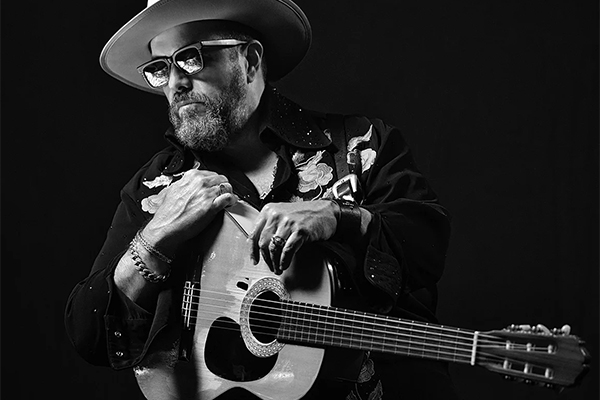
Raul Malo — New Country music of the 1990s was a bit of everything. Some of it was a garish, KISS-meets-the-Opry material. But there was strong songwriting, subtle-yet-pronounced musicianship, and a noticeable mix of influences, whether they were Hank Williams, Cajun, or rhythm and blues mixed. That’s what the Mavericks did, and Mr. Malo led them. He had the twine in his voice but could knock out solos on his electric 12 string guitar with ease. Another gone-too-young talent. (Raul Malo)
There were other losses in 2025: DJ Unk, Roy Ayers, Chelsea Reject, Young Scooter, Robbie Pardlo…too many to list here and sad all around. Regardless of what comes music-wise in 2026, remember the greats we lost in 2025 and blast their legacies loud.
SPILL ALBUM REVIEW: BRIAN WILSON – LIVE AT THE ROXY (25th ANNIVERSARY EXPANDED EDITION)

SPILL BOOK REVIEW: DAVID LEAF – GOD ONLY KNOWS: THE STORY OF BRIAN WILSON, THE BEACH BOYS & THE CALIFORNIA MYTH

SPILL ALBUM REVIEW: BRIAN WILSON – AT MY PIANO
SPILL FEATURE: THE BEACH BOYS – PET SOUNDS 50th ANNIVERSARY