



A CROWN MADE OF TEETH, NOT GOLD
A CONVERSATION WITH JACK UNDERKOFLER OF DEAD POET SOCIETY
There is this eerie feeling when listening to Dead Poet Society’s Monarch that feels like the floor is caving in beneath you, not because the soundscapes on this album are far more lofty and gritty than anything the band has conceptualized before, but because there is a dangerous aura attached to their trademark gut honesty. Monarch, from start to finish, feels like someone is wrestling with something just breaths away from the frame, but with each exhale it grows closer and more unavoidable as each track passes. Such realizations are not the makings of a physical threat that is entering the clearing; it’s internal, a monster hidden below the surface that slowly begins to emerge. When you’re a monster of your own making, unfiltered, unsoftened by time, it becomes less about recognizing what you have become and more about how to stop it from fully taking effect. Sometimes triumphs aren’t meant to be celebrated, and in this case, most of the triumphs vocalist and guitarist Jack Underkofler has overcome have felt more like a burden than celebratory at best.
“The overall vibe that has always defined our band became much more refined. Introspectively, regarding the lyrical content, it’s less about discovering yourself. It’s more like it’s more about working through issues that bother you, but you haven’t taken the time to really sit and look at them, so it ends up being therapeutic in that way,” says Underkofler. “At its core, it’s about resentment. That emotion has really stood out throughout the entire process of writing this album. It feels like it’s in every line of every song we’ve written on this album, and it’s not an emotion that a lot of people talk about or write about. I think that, for the most part, you try to find some sort of positive spin or outlook once you feel resentment, before you really sit with it and, in a weird way, enjoy that feeling. So, with this album, I felt like it was important, and I think we all kind of felt it was important that we don’t shy away from that. A lot has happened to me in the past few years, so the songs I contributed more lyrics to have a strong sense of that.”
UnderKofler understood something prolific early on during this writing process. The idea of a “monarch” isn’t always something that sparks positive notions of control. It goes far deeper than grappling with your emotional surroundings. To become a monarch, you have to stop pretending you have all the answers or that you have it all together. This record captures that realization hitting bone deep. While this band has always created music where its messages float between that grey area of chaos and inner clarity, this record needed to be more intimate. This record was not about gaining power; it was about having the courage to face the things we bury that often hurt the most.
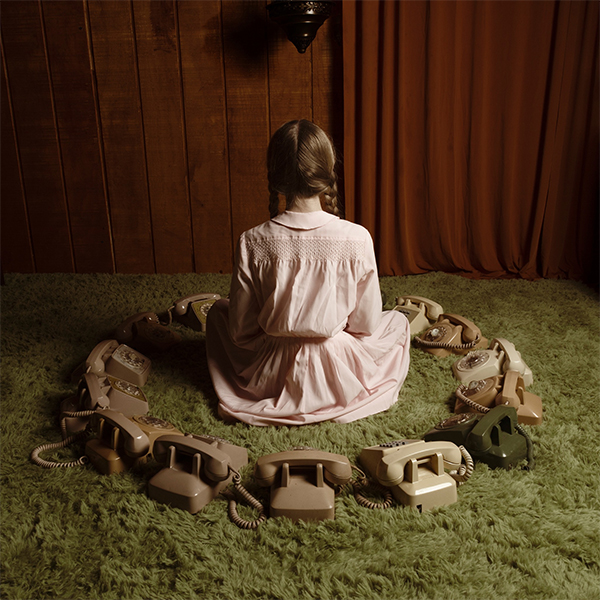
MONARCH ALBUM REVIEW
“Well, definitely, my mom passing away was a big sticking point for me when writing this album. It’s a tough thing to talk about, especially as a guy around a group of guys, where being emotionally vulnerable is seen as weak, even though, you know, it’s 2026. People say to express yourself more, but it’s still very tough for men to do, because vulnerability is often seen as false, or as if you’re not allowed to be vulnerable. Even when you are told it’s safe, it often isn’t,” confides Underkofler. “It’s tough, but you have to power through anyway. You talk about the things that make you feel embarrassed, and yes, there’s really no other way to do it than just to do it, as uncomfortable as it makes you feel. But you’re actually saying something; that’s all that really matters, right? If you’re expressing something true, it’s going to be embarrassing, you know. Especially if you tell somebody to stand up in front of however many people hear the music – like a million people – and say, “Hey, okay, now tell everybody the most intimate thoughts in your head. “ It’s a very scary and vulnerable space at times to put yourself in.”
When you look at their sound this way, a soundscape that bleeds and builds you up at the same time sounds contradictory. Still, this rare emotional feeling is something Dead Poet Society has always done with their music—always going against the grain, never predictable. Too heavy to fit an alternative mold, too melodic to fit conventional post-hardcore trimmings, and too sharply edged for mainstream rock. But Monarch doesn’t try to resolve the unpredictable twists and turns; it takes them and makes them part of its armour to express the truth. The result is something deep and filmic in its delivery, not polished or glossy, but entertaining and real in a messy way that keeps you guessing. This isn’t Dead Poet Society trying to impress listeners or please fans; with a decade of experience under their belts, they’ve been hardened by time and the criticism that comes with it. Right now, it’s someone artistically coming to terms with things they never wanted to face, or maybe it just felt more comfortable to pretend it didn’t exist. Sometimes those truths are easier to face when you have another medium behind them, and here, Monarch marks a chapter of a band that understands the weight of its own voice and chooses to be brave enough to use it.
“Good art is hated. Bad art creates indifference. The worst reaction you can have to anything you create is like, “okay, all right, yeah, that was pretty good.” Like, you’re not doing anything. The whole point of art is to hijack the part of your brain that feels things. And if you’re not doing that, then it’s not good,” responds Underkofler. “Having said that, I think the entirety of our career needed to happen for us to get to this point. All of our music comes from sheer force of will. We’re constantly trying to push ourselves, but with this album in particular, we’ve gained a lot. I think we’ve gained a lot of perspective over the years, especially with the previous two albums, on what we like and what we don’t, what we should do and what we shouldn’t do, and what feels right and what doesn’t. And this album is the first album where I feel like that perspective has finally found its light. I think Fission showed me a lot of enlightenment for me personally, a lot of what songwriting is. Still, it wasn’t really showing me something I hadn’t heard or felt before, and I think our first album, Exclamation Mark [!], showed me something I hadn’t felt before, but I still think the songwriting needed work. So, with this one, I feel like we’re finally catching that wave.”
Artist Links


Photo Credit: Darren Craig


SPILL ALBUM REVIEW: DEAD POET SOCIETY – MONARCH

SPILL LIVE REVIEW: CHEVELLE w/ ASKING ALEXANDRIA & DEAD POET SOCIETY @ GREAT CANADIAN CASINO RESORT, TORONTO

SPILL NEWS: BRKN LOVE SHARES BRAND-NEW SINGLE “20/20 VISION” AND LYRIC VIDEO

SPILL LIVE REVIEW: DEAD POET SOCIETY @ VELVET UNDERGROUND, TORONTO

