THE ART OF BEING SEEN
A CONVERSATION WITH LIAM GUINANE & JUSTIN KEURNTJES OF WINDWAKER
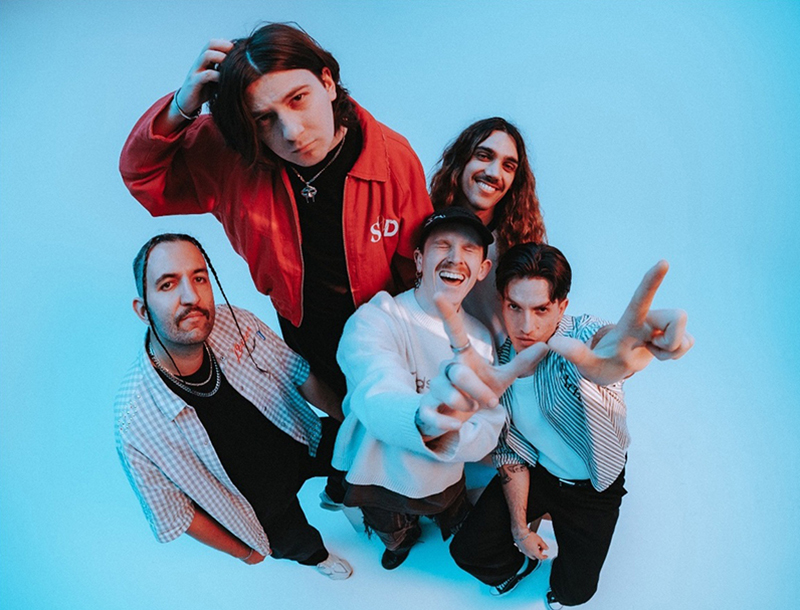
There is something about Windwaker’s new album, smile, you’re on camera., that feels like a flashbulb flickering on in a dark room – emotionally sudden, sharply disarming, and honest in a way that feels almost intrusive. In a way, it feels like that’s the whole point of this experience. smile, you’re on camera. doesn’t want comfort; perhaps this is something Windwaker has always been building towards with their music: building a tolerance for what is uncomfortable in society and within ourselves. Here, this album captures a group in the midst of forward momentum, transformation, the processing of new ideas and feelings, and in a way is asking us to also sit in the rawness of our own personal exposure and not be afraid to see what that looks like after that picture is fully developed. For Liam Guinane and new member Justin Keurntjes, this meant opening themselves up to new beginnings while also finding their footing within these new experiences.
“With this album, I don’t know if we were thinking about what sounds we wanted to strip away; I think we’re focused on the album experience and listening to it front to back. With the last couple albums, one of the big critiques we have on ourselves was finding our footing when you’re listening to it, and the sequencing being quite, I guess, chaotic. This time around, we really wanted to focus and at least show a little bit of our maturity in the songwriting. I think touring HYPERVIOLENCE has really shown what people resonate with and what they don’t in our sound. What we wanted to do sonically on the album, I think, just came from our instincts as we wrote the songs. You know what I mean,” says vocalist Liam Guinane. “Like we wrote a lot of songs together from scratch in the moment; that is just what we were feeling and what was coming out. It was more about how the songs fit into the listener’s perspective, and how we could make that experience more focused and mature. I guess disorientation that has probably been present on the last couple of albums. I don’t know if you agree, Justin.”
Guitarist Justin Keurntjes responds, “Yeah, I think it wasn’t too much thought other than what Liam is saying about the structure of the whole album. I think everything seemed to come quite naturally, with all the different aspects squished together, and it’s very much everyone’s individual personalities that came through for each song.
For an album like this, structure gave smile, you’re on camera. another meaning. This wasn’t a record built on a traditional narrative. When you realize the lens is constantly being pointed at every aspect of you, recording everything, even the parts you are trying to work through mentally for yourself that you haven’t really processed yet, it becomes less about the performative aspect of making music and more about living in the truths, restlessly sleeping with the sheets of the instrumental bed of their music.
“We did six writing weeks together, from October of 2020 to March of 2024, going into this year. So, I don’t know if that was necessarily by design that we didn’t necessarily have a concept album or a narrative in mind. It became apparent as we got deeper into making the album what the songs were about, touring together, and things like that, and getting more comfortable with each other. For me personally, the lyrical vulnerability is a symptom of being comfortable with the band and sharing the direction a song is going, as well as feeling more comfortable being vulnerable with listeners,” says Liam. “With the last album, you could see it as quite guarded, but it’s likely because of the circumstances under which it was made. You know, like a new frontman coming into the fold, just a different lineup entirely. And you know, this has happened; the lineup has changed again. Justin was able to, like, join us during the process of making this album, and you know, he’s having his own journey with it as well. But I think, just as a collective unit, I think we learned a lot from making that last album, you know, having a lot of lived experiences together, and entering, you know, new stages in our lives personally; that’s all sort of contributed to, you know, this snapshot. And a snapshot is just something that we like doing when we’re making an album, or it’s something that I like to think of when I’m making an album. It’s kind of a diary entry or a chapter in a period of time, and it reflects what we’re thinking about, what we’re observing in the world.”
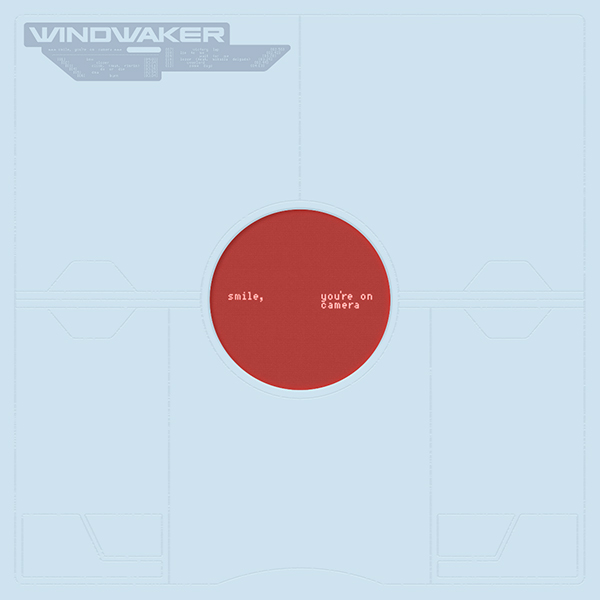
PURCHASE SMILE, YOU’RE ON CAMERA. VIA BANDCAMP
Where HYPERVIOLENCE veiled its truths in a neon-bright, chaotic, theatrically sharp guise, smile, you’re on camera. trades a lot of that digital bravado for something more tactile and upfront. The guitars feel closer, and vocals feel less produced, and the production has given space for this new journey to breathe – not just for themselves, but for the listeners who need the space and time to exhale in their own lives mentally. This album’s structure mirrors that shift in perspective. These emotional Kodak moments in time- fragments of doubt, flashes of triumph, nights of wrestling with identity, ambition, and the cost of chasing something bigger than yourself – all represent moments frozen in time and a band willing to melt the ice of each one to expose it all, not because they have walked away from genre-bending theatrics that have created a barrier between the truth at times and art, but because this new wave of confidence didn’t require them to hide behind it anymore.
“I’m gonna preface my answer with a question: do you mean is it difficult to face head-on as far as exploring it and finding out what is truly underneath all of that? Because “DNA” is one of those songs. For me, “dna” is the realization that I’m so guarded and trying to understand what’s wrong with me and wanting to be more honest and more direct. That’s a difficult thing to face when that sort of mirror is being put in your face. It was just a very real theme to face,” Guinane responds. “Also, “Burn” and, to a certain extent, “Closer.” Just that realization that we have these relationships at home, whether it’s partners or, you know, your parents and family. To get where we want to go with the band, we have to make a lot of sacrifices. This realization hit me: time is very finite. We’re in the middle of this tunnel, and we can see the light, but we haven’t got time to get all the way there. We can’t; we don’t have time to turn all the way back, and we can’t necessarily keep going forward, and that was really hard to digest. I still listen to a song like “Burn,” and I still get very emotional listening to it. I get goosebumps and stuff because it’s a very, very scary thing to think about your family and how you could lose it all in the sacrifice of a dream.”
Keurntjes continues, “I think “Click,” and the concept behind “Click” and smile, you’re on camera. I think that resonated with me a lot from the moment Liam mentioned it. Even before it was written, Liam had this song concept, and I think we were in Adelaide. Liam and I were just like hanging out, waiting for people, and Liam was like, “I have this idea. It was smile, you’re on camera., and we were talking about that whole concept of being perceived and, like, constantly being available. When he mentioned that to me, I was like, “Oh, damn! This is very thought-provoking for me.” I couldn’t stop thinking about it. And when Click started coming together, it just became something that was on my mind a lot. And I’m so happy smile, you’re on camera. ended up being the album name because it just resonates, and it’s a scary thought.”
Windwaker’s story has never been clear, patient, or open-minded. Lineup changes, sonic experimentation, and the hard-driven turbulence of ambition have made smile, you’re on camera. a compelling and noteworthy stage in their career. This isn’t about controlling a narrative of their truth, nor is it a complete version of the band; it’s an album about a band still becoming in a world where vulnerability is often rewarded less than armor that hides it.
“I like that you described “Wait for Me” as a sleeper hit because it’s kind of like the central thing of the album. As far as the sacrifices being made, I mean, I can’t speak for everybody, but I’m 30. I’ve been with my partner for many years, seven years now,” Guinane candidly divulges. We’re kind of reaching a point where we want to go into those next stages of life. You think about committing to that. Children and all the future sort of stuff. The more that you’re on tour, and the more that you’re still like a struggling artist, quote unquote, and you know, maybe you are not able to do this as a full-time thing. You may still have to work, you know, a day job in between all of it. You feel like your life is on pause while you live this dream and give the band a lot of time. I’m really glad you mentioned it’s not just hard for the artists, but also for the people around them who are supporting them. That’s what that’s about as well. It’s like the album for them, in a way, because you know it’s not an easy, easy life to enter the fold. I can’t speak for everybody’s relationships in the band. We’ve sacrificed a lot of our personal lives and time to make this thing the best that it can be. We’re lucky to have people in our lives that want that to work for us, being able to go on tour for as long as we do, and for as much as we do, you know, and still have someone at home, or many people at home, that are waiting for us. I think we’re really blessed.”
Artist Links