THE HEART OF A STAR
ANN MOSES REFLECTS ON BOBBY SHERMAN
Who didn’t love Bobby Sherman? All the girls around the world named Julie, including me, melted whenever “Julie Do You Love Me” came on the radio.
In an insightful interview, Ann Moses, the former editor of Tiger Beat magazine, shares her experiences working with Bobby Sherman, one of the most iconic teen idols of the late 1960s and early 1970s. Moses served as the editor from February 1968 to March 1972, a period during which she interacted closely with various teen idols, including Sherman. Their friendship has endured over the years, and Moses’s reflections provide a unique glimpse into Sherman’s character, his career, and the dynamics of fame during that era.
Moses recalls that her first encounter with Sherman likely occurred when he was signed for the television show Here Come The Brides. The show was filmed at Columbia Ranch, under contract with Screen Gems. Although she doesn’t remember the specifics of their initial meeting, she remembers Sherman’s welcoming demeanour. “There was never a time when he wasn’t open and gracious,” Moses states. She describes him as someone who was genuinely excited about his life and never acted like a typical star, despite being on the cover of Tiger Beat for two consecutive years.
Sherman’s approachable nature made him a pleasure to work with. Moses mentions that he never hesitated to participate in photoshoots with Gene Trindl, the photographer known for capturing stunning portraits of the beloved teen idols. Trindl used a four-by-five camera, and with the help of studio lighting, he showcased Sherman’s striking blue eyes beautifully. Moses emphasises that Sherman was not just a pretty face; he was a kind and thoughtful individual who treated everyone with respect.
“He was just a nice young man from Southern California”, Moses recalls. “There was never a time I heard him say a cross word”. This consistent kindness extended to everyone he encountered, including co-stars from Here Come The Brides, who held him in high regard. Sherman’s lack of a large entourage further highlighted his down-to-earth personality; he maintained a long-term relationship with his manager, Ward Silver, and did not rely on a team of publicists.
Sherman’s upbringing in the San Fernando Valley played a crucial role in shaping his character. Moses describes his family life as reminiscent of a Leave It To Beaver scenario, with a stay-at-home mom, Juanita, and a working father, Robert. His father was actively involved in Sherman’s projects, even building a recording studio at their home. This supportive environment was a stark contrast to that of many teen idols, who often lacked family backing. Moses recounts her visits to Sherman’s family home, where she interviewed his mother for a series in Tiger Beat. She fondly remembers the warmth and cooperation of Sherman’s parents, which contributed to his well-rounded character.
When it came to his fame, Sherman accepted it as part of the territory of being a teen idol. Moses notes that he embraced his role, even appearing in a parody on The Monkees as a jealous teen idol. This light-hearted approach to his celebrity status showcased his ability to laugh at himself while still taking pride in his accomplishments. Although he enjoyed being in the spotlight, he remained grounded and genuinely cared about his fans.
Moses acknowledges that Tiger Beat played a significant role in creating and promoting teen idols, including Sherman. The magazine’s strategy involved building up a star’s image by featuring larger photos and more stories, which contributed to their popularity. However, once a star’s status began to fade, their coverage would diminish, and the magazine would shift focus to the next rising star. Moses notes that this cycle was typical of the teen idol phenomenon, which often lasted around two years.
Sherman’s career began as a singer, discovered by Natalie Wood and Sal Mineo at a Hollywood party. His talent quickly caught the attention of industry insiders, leading to his appearance on the TV series Shindig from 1964 to 1966. As his career evolved, Sherman also pursued acting, taking his roles seriously. His character on Here Come the Brides, Jeremy Bolt, had a stutter, which allowed him to connect with a broader audience. Sherman was proud of how he portrayed this character, and his good looks and charm helped sell the show to its young viewers.
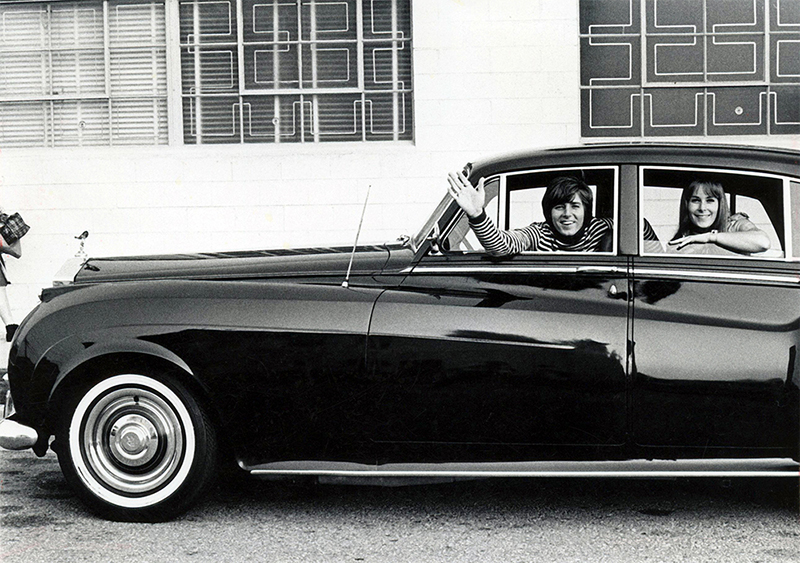
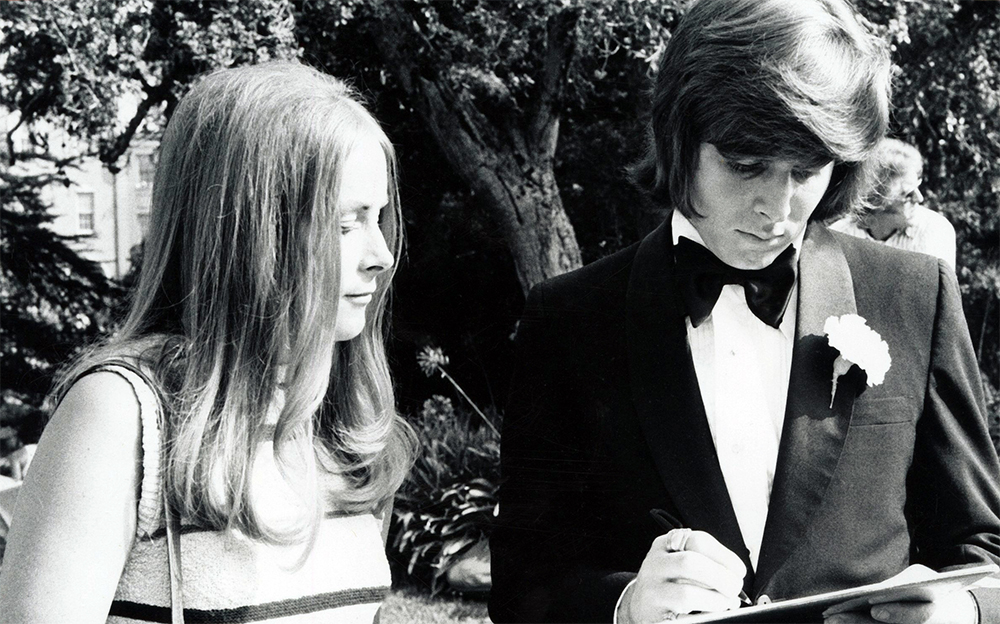
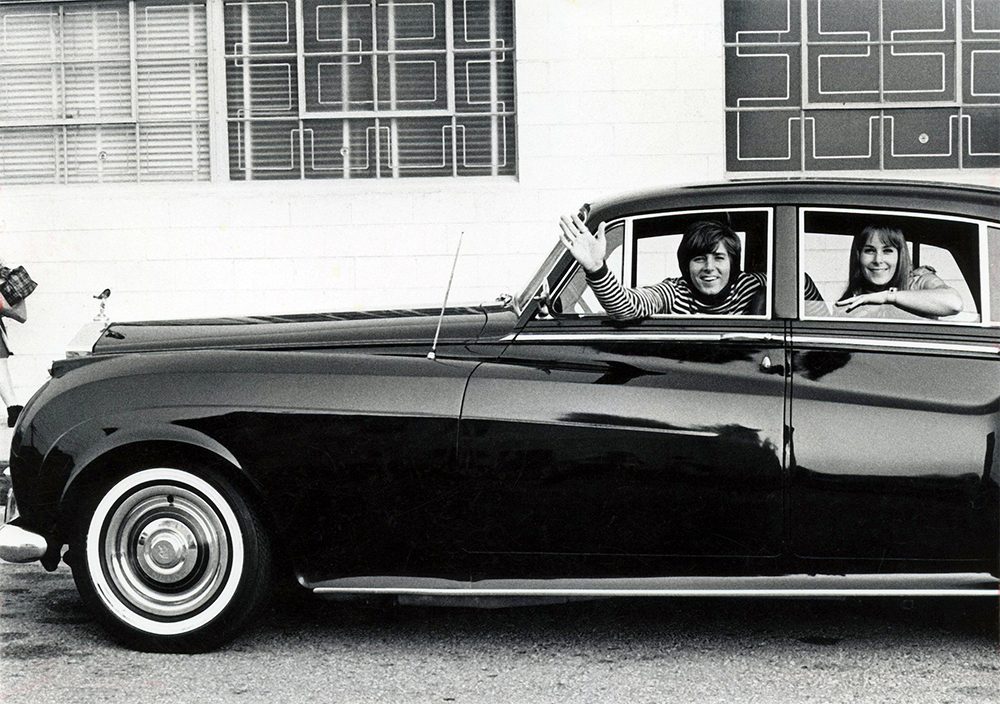
Moses highlights Sherman’s genuine affection for his fans, which stems from his own experiences of feeling shy and alone during his childhood. When fans began to idolise him, it was a new and exciting experience for Sherman. He appreciated the connection and was always eager to engage with them. During contests organised by Tiger Beat, Sherman would interact with fans, taking photos and even treating them to lunch in his Midnight Blue Rolls Royce. “He was just 100% comfortable with it all”, Moses reflects, emphasising his authenticity.
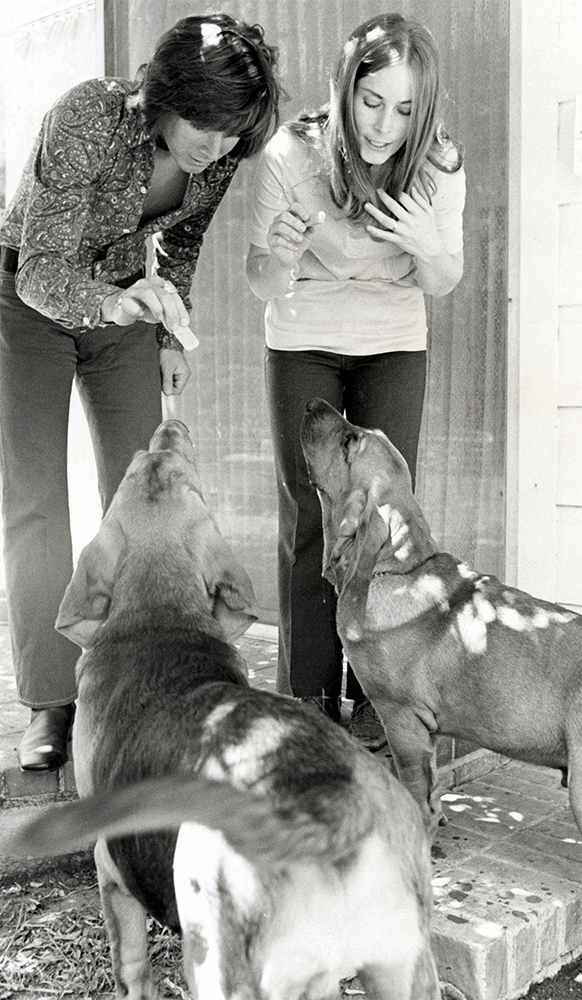
Throughout her time working with Sherman, Moses developed a special friendship with him. She describes him as the same person in private as he was in public, devoid of the dual personalities often seen in stars. Their friendship was characterised by mutual respect and enjoyment, with Sherman usually inviting Moses to his home in Encino, where they would spend time together, including playing with his pet dogs.
After the cancellation of Here Come the Brides, Sherman faced challenges in transitioning back to everyday life. He made guest appearances, including one on The Partridge Family, but eventually found a new path as an EMT. Moses shares that Sherman embraced this role wholeheartedly, becoming an instructor for the Los Angeles Police Department and dedicating himself to helping others. This shift allowed him to find fulfilment outside of the entertainment industry, a rarity for many former stars who struggle after their fame fades.
Sherman’s journey from teen idol to EMT instructor illustrates the resilience and adaptability of a man who never lost his genuine nature. Moses’ reflections reveal a side of Sherman that goes beyond the glitz of fame, showcasing his kindness, humility, and dedication to both his craft and his fans. As Sherman navigates his current health challenges, his legacy as a beloved figure in pop culture and a compassionate individual remains strong, underscoring the lasting impact he has had on those who knew him and the fans who adored him.
Photos
Artist Links


Ann Moses Links
Feature Photos Courtesy Ann Moses | Background Photo Credit: Ron Galella Collection Via Getty Images


SPILL FEATURE: THERE IS NOTHING IN LIFE I WOULD RATHER DO THAN PLAY – A CONVERSATION WITH BRIAN GREENWAY OF APRIL WINE

SPILL FEATURE: FIGHT FOR LOVE PART 2 – A CONVERSATION WITH NEIL OSBORNE OF 54•40

SPILL FEATURE: WE DON’T PLAN FOR LOVE TO WALK INTO OUR LIVES – A CONVERSATION WITH RUSTY EGAN (VISAGE)

SPILL FEATURE: ARMED WITH OUR BEST IDEAS – A CONVERSATION WITH ALTER BRIDGE’S MYLES KENNEDY